What to Know Before Demolishing an Old Industrial Building in Pittsburgh
Why Industrial Demolition Requires Extra Caution
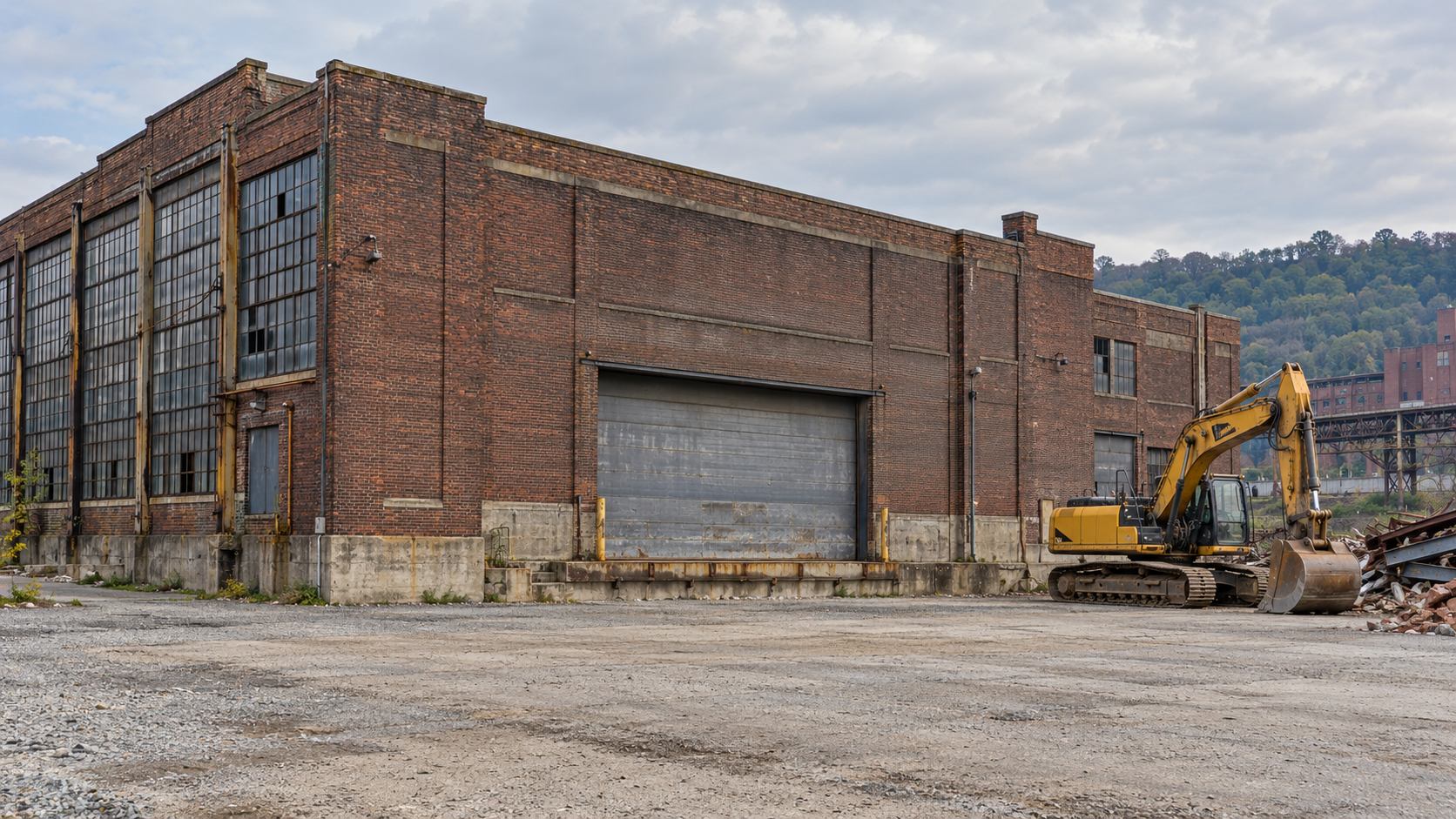
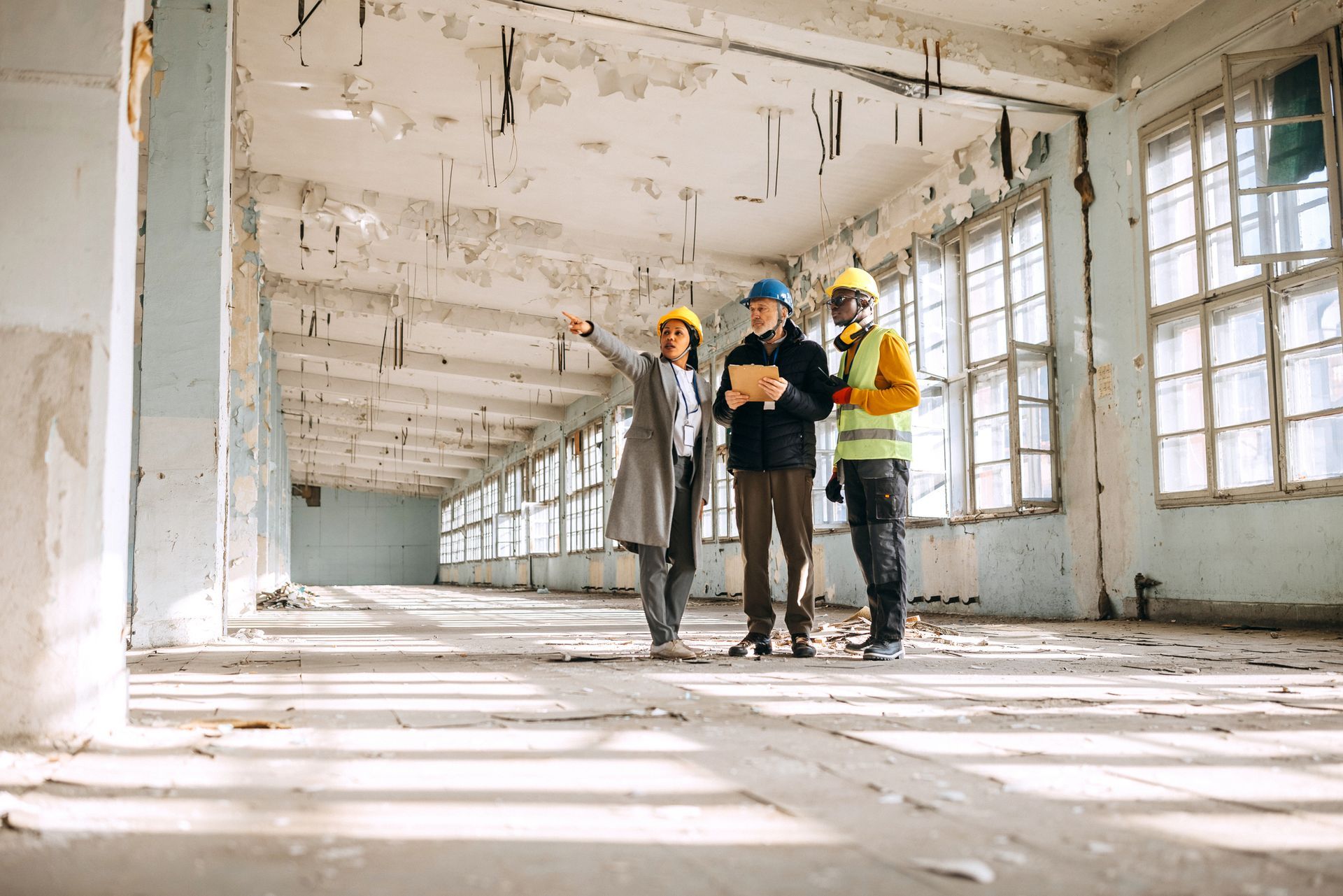
Pittsburgh’s industrial past left behind more than steel beams and brick walls. Many older factories, mills, and warehouses were built during a time when environmental regulations were limited or nonexistent. As a result, structures from that era can contain materials and residues that pose challenges during demolition.
Industrial demolition differs significantly from tearing down an office building or a retail space. The facilities that once powered Pittsburgh’s manufacturing economy—steel mills, plating shops, machine plants, and foundries—often handled oils, solvents, metals, and chemicals that can linger for decades. These contaminants may be embedded in the floors, drains, and surrounding soil, requiring careful handling before any heavy machinery moves in.
Common concerns include asbestos insulation, lead-based paint, underground storage tanks, and soil contaminated by heavy metals or petroleum products. Understanding these risks at the start of a project helps prevent delays, regulatory issues, and unexpected cleanup costs.
Step One – Assess the Property’s Environmental History
Before starting demolition, property owners should have a clear picture of the site’s environmental condition. A Phase I Environmental Site Assessment (ESA) is the standard starting point for environmental assessments. This report reviews the property’s history, previous uses, and potential sources of contamination through records, maps, and visual inspections.
During this process, a demolition contractor may help identify visible red flags—such as stained concrete, oil residue, storage tanks, or discolored soil. However, a contractor’s assessment is limited to what can be observed safely and securely. If the Phase I ESA reveals potential contamination, a Phase II ESA is usually required.
A Phase II ESA involves sampling and laboratory testing of soil, groundwater, or building materials to detect the presence of contaminants. The results can influence both the demolition plan and project budget. Contaminated materials may need to be removed separately by certified specialists before structural work begins.
While these assessments add time and cost to early planning, they prevent larger expenses later. Failing to conduct environmental due diligence can result in regulatory penalties or costly cleanup obligations following demolition.
Typical Environmental and Structural Hazards Found in Old Industrial Sites
Each industrial property has its own unique features, but certain hazards are commonly encountered in many of Pittsburgh’s older facilities. Addressing them correctly ensures compliance and protects workers, neighbors, and the environment.
Asbestos and Lead Paint
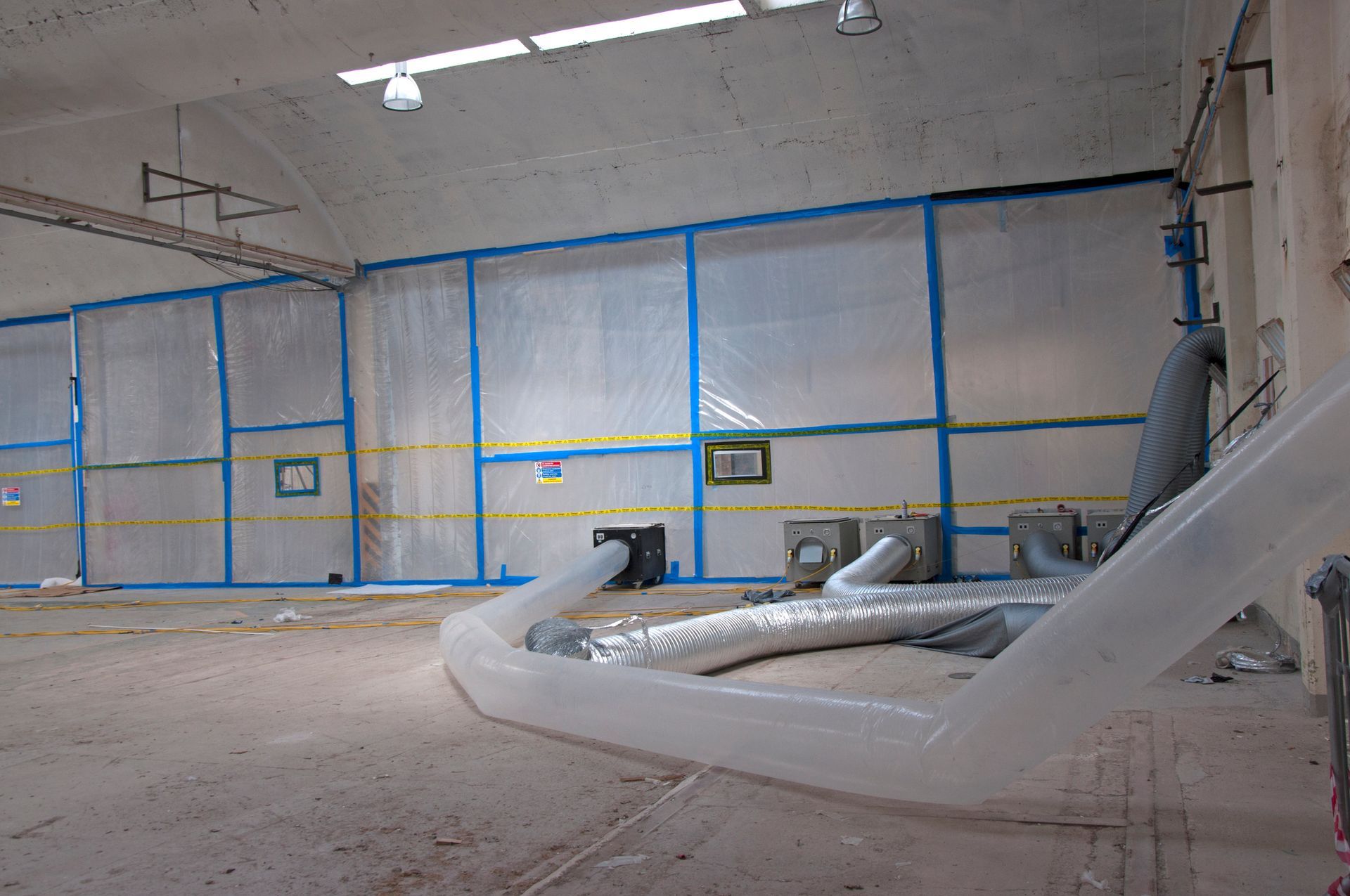
In the past, asbestos was used in insulation, flooring, roofing, and pipe wrapping, while lead paint is commonly found on walls, doors, and structural steel. Both materials require certified abatement contractors to be present before demolition begins. Schaaf Demolition offers asbestos abatement services as part of the pre-demolition phase, ensuring that no contaminated dust or debris enters the environment.
Oil and Fuel Leaks
Old manufacturing sites often contain underground storage tanks, compressors, or hydraulic systems that leaked over time. Excavating or remediating these areas requires a licensed environmental cleanup firm to remove tanks and treat any contaminated soil.
Chemical and Manufacturing Residue
Operations such as metal plating, degreasing, or machining left behind heavy metals and solvents that are classified as hazardous waste. Standard demolition crews are not permitted to handle these materials. They must be tested and managed by environmental remediation specialists in accordance with federal and state guidelines.
Concrete and Floor Contamination
Many industrial floors absorbed decades of oils and chemicals through machine pits, sumps, or drains. When these areas are stained or saturated, the concrete may need to be removed and disposed of as contaminated material rather than standard construction debris.
PCBs and Mercury
Polychlorinated biphenyls (PCBs) were used in transformers, electrical systems, and some lubricants, while mercury was found in old lighting and gauges. Both require removal and recycling by qualified disposal firms to prevent environmental release.
The Role of a Demolition Contractor in the Process
An experienced building demolition contractor plays a central role in coordinating safe and compliant demolition, but the scope has its limits. In Pittsburgh, demolition companies such as Pittsburgh Demolition & Wrecking typically manage:
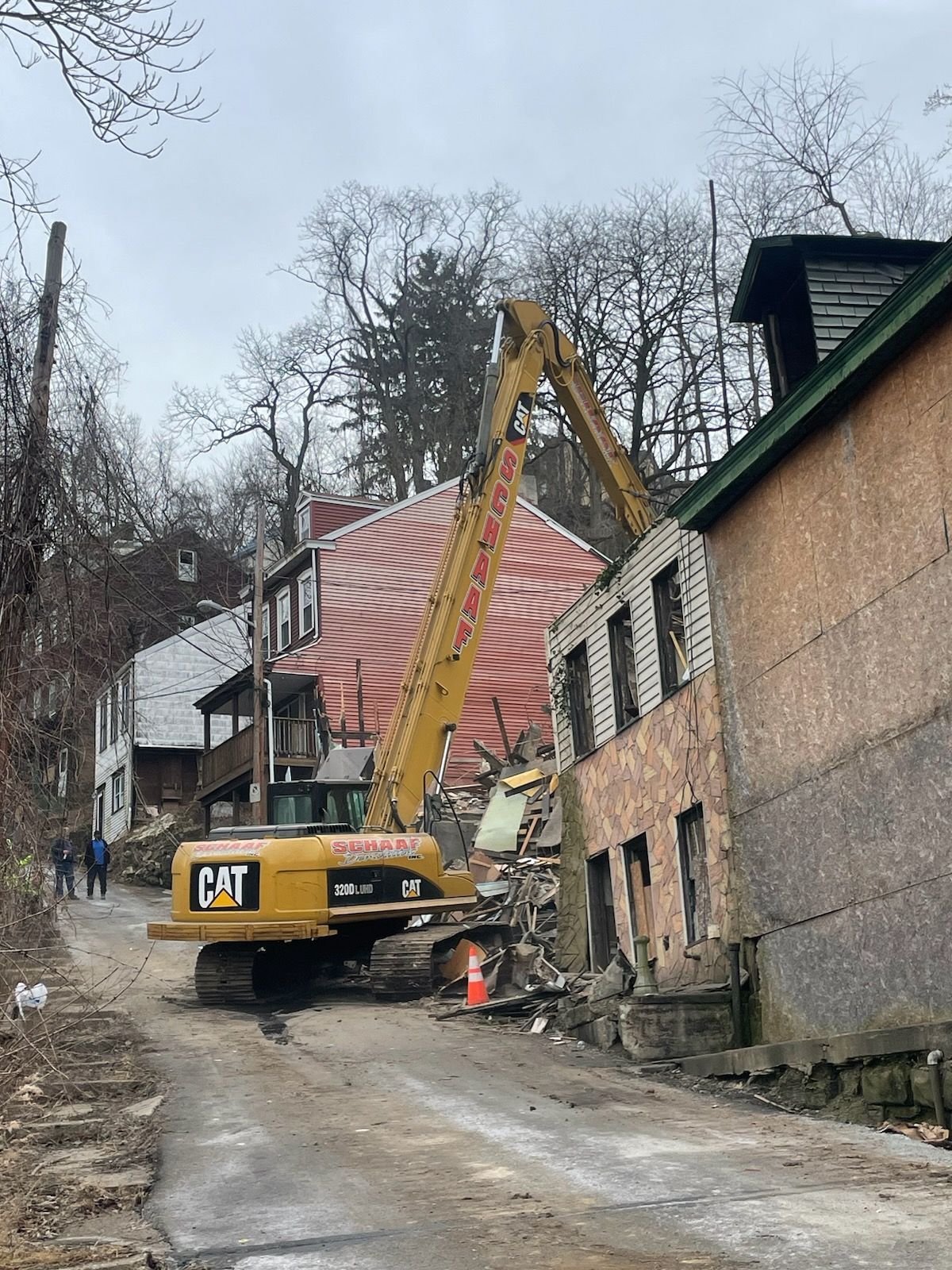
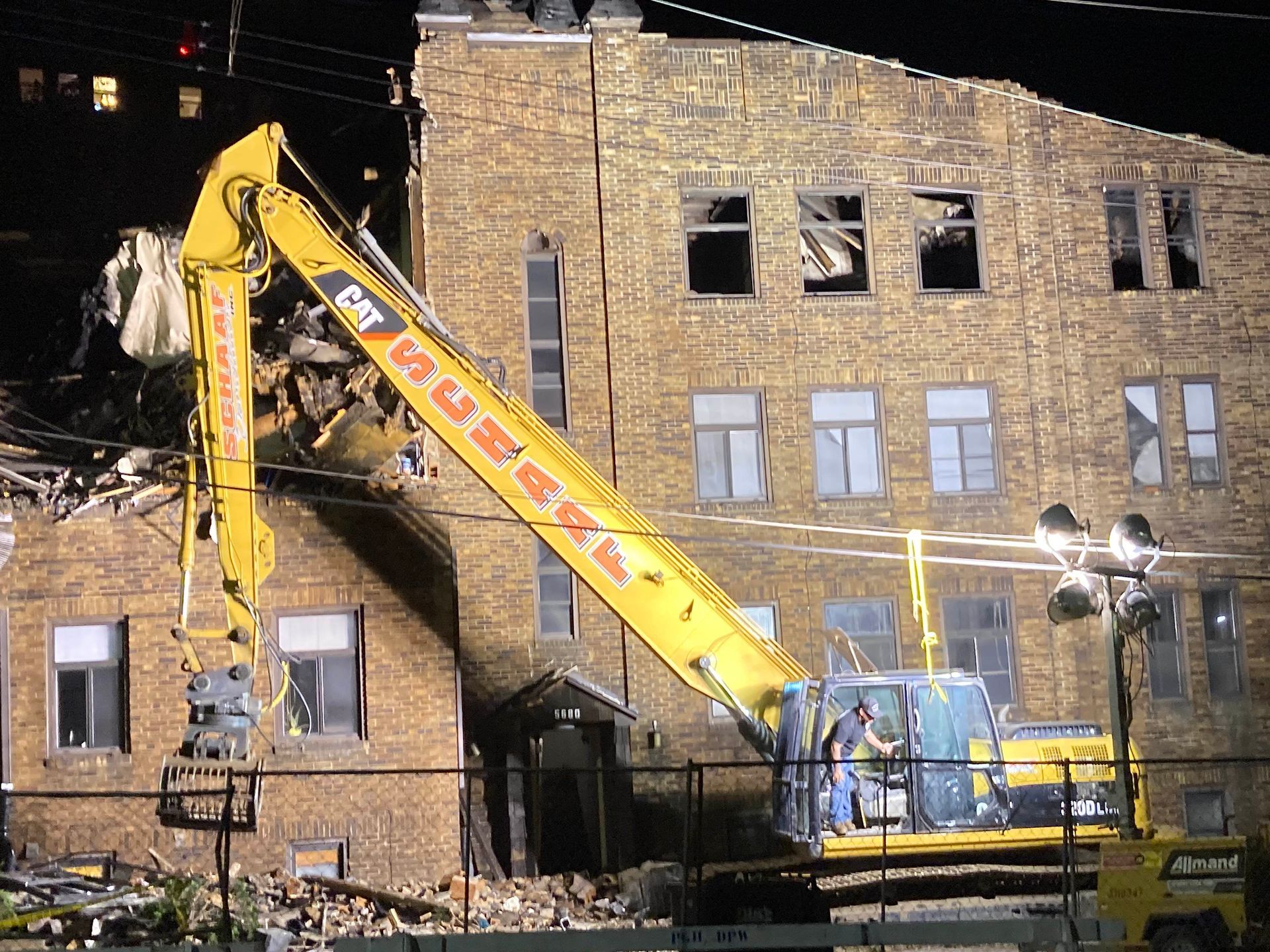
Structural teardown, including disassembling buildings, separating materials, and loading debris for disposal or recycling.
Utility coordination, which includes ensuring water, gas, and electricity are properly disconnected before work begins.
Safety and compliance, which includes maintaining OSHA standards, controlling dust, and properly transporting non-hazardous materials.
However, when a project uncovers contaminated soil, unknown tanks, or hazardous waste, demolition may pause. At that point, the contractor works with environmental engineers and state regulators such as the Pennsylvania Department of Environmental Protection (DEP). The site may fall under the PA DEP Act 2 Land Recycling Program, which governs how contaminated properties can be safely cleaned and reused.
How Contamination Can Limit Future Development
Environmental conditions don’t just affect demolition—they influence what can be built afterward. The type and extent of contamination determine whether the site can support residential, commercial, or only industrial redevelopment.
Contaminant: Petroleum hydrocarbons
Typical Source: Leaking tanks, lubricants
Redevelopment Impact: May restrict landscaping or residential use until remediated
Contaminant: Heavy metals
Typical Source: Paint, plating, slag
Redevelopment Impact: Often requires soil removal or capping; limits childcare or food-related uses
Contaminant: Chlorinated solvents
Typical Source: Degreasers, cleaners
Redevelopment Impact: May prevent enclosed buildings unless vapor barriers or mitigation systems are installed
Contaminant: PCBs
Typical Source: Transformers, lubricants
Redevelopment Impact: Must be fully removed before reuse; limits redevelopment type
Contaminant: Asbestos in fill or debris
Typical Source: Buried demolition material
Redevelopment Impact: Restricts excavation or deep foundations until cleared
Some sites can only be redeveloped for industrial or commercial purposes once all remediation has been verified by the Pennsylvania Department of Environmental Protection (DEP). A demolition contractor’s coordination with environmental consultants ensures that redevelopment plans align with cleanup requirements from the start.
Preparing Your Site for Safe, Compliant Demolition
A successful industrial demolition in Pittsburgh starts with preparation. Property owners can reduce risks and delays by following these key steps:
- Obtain environmental reports early. Start with a Phase I ESA and plan for testing if necessary.
- Remove hazardous materials before demolition. Certified abatement and remediation must occur prior to structural teardown.
- Coordinate with utilities. All disconnections should be verified in writing to avoid safety hazards.
- Select a contractor experienced in industrial work. Select a commercial demolition company in Pittsburgh that is familiar with DEP and EPA compliance, heavy equipment handling, and waste management.
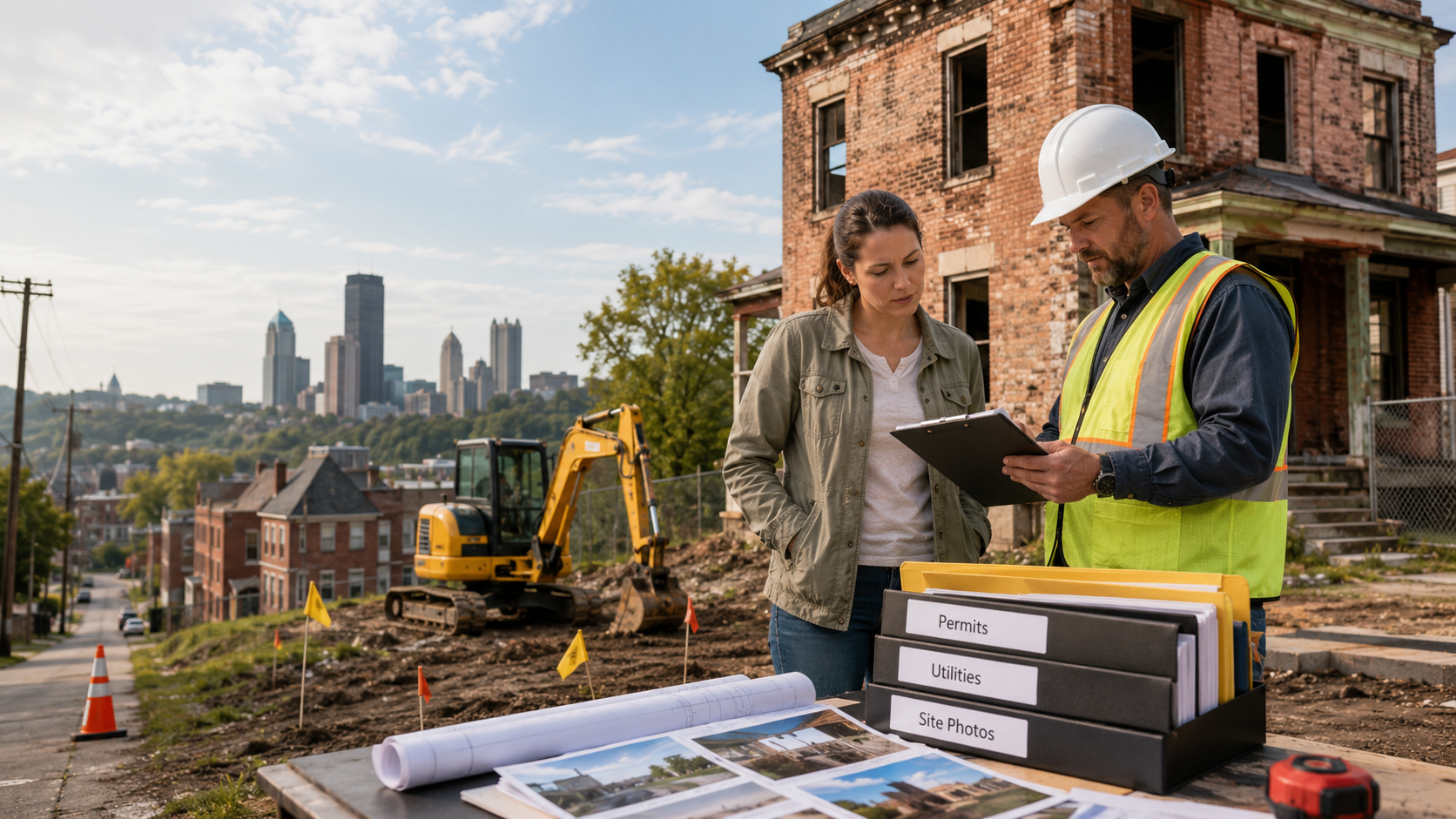
- Keep detailed documentation. Maintain manifests, lab reports, and disposal records for all materials leaving the site. These records will be required for closure certification and future property transactions.
Partnering with Qualified Environmental Specialists
Understanding who handles which responsibilities helps keep projects organized and compliant:
- Demolition contractors oversee the physical removal of structures, site grading, and the transportation of non-hazardous waste.
- Environmental consultants conduct assessments, collect samples, and design remediation plans to address environmental issues.
- Remediation contractors perform hazardous waste cleanup, tank removal, and treatment of soil or water.
Working relationships between these teams are essential. A demolition company coordinates closely with environmental engineers to sequence tasks safely. For example, if an underground tank is discovered, the environmental firm will oversee its removal while the demolition crew focuses on other areas.
While no specific firms are endorsed, property owners in Western Pennsylvania can look for consultants certified under the DEP’s Land Recycling Program or those with hazardous waste management credentials in accordance with RCRA and OSHA standards. This ensures all cleanup activities are documented and recognized by state regulators.
Final Clearance and Redevelopment Readiness
After demolition and remediation are complete, the site undergoes a final inspection. This may include soil testing, air sampling, and a visual check to verify that all contaminated materials have been removed.
Environmental professionals then issue clearance certificates or closure reports, confirming that cleanup goals have been met. These documents are critical for obtaining construction permits, securing financing, or selling the property. They also protect the owner from future liability if contamination is discovered later.
In some cases, the DEP will review and approve the remediation work through its Act 2 program, providing formal acknowledgment that the property meets Pennsylvania’s cleanup standards for its intended use.
Clearing the Way for the Future of Pittsburgh’s Industrial Land
Demolishing an old industrial building is more than a construction project—it’s a key step in Pittsburgh’s ongoing transformation from its manufacturing roots to modern, mixed-use development. Responsible demolition ensures that hidden hazards are addressed safely and that future construction can move forward without environmental setbacks.
By combining experienced demolition services with qualified environmental partners, property owners can manage complex projects efficiently and in compliance with all regulations.
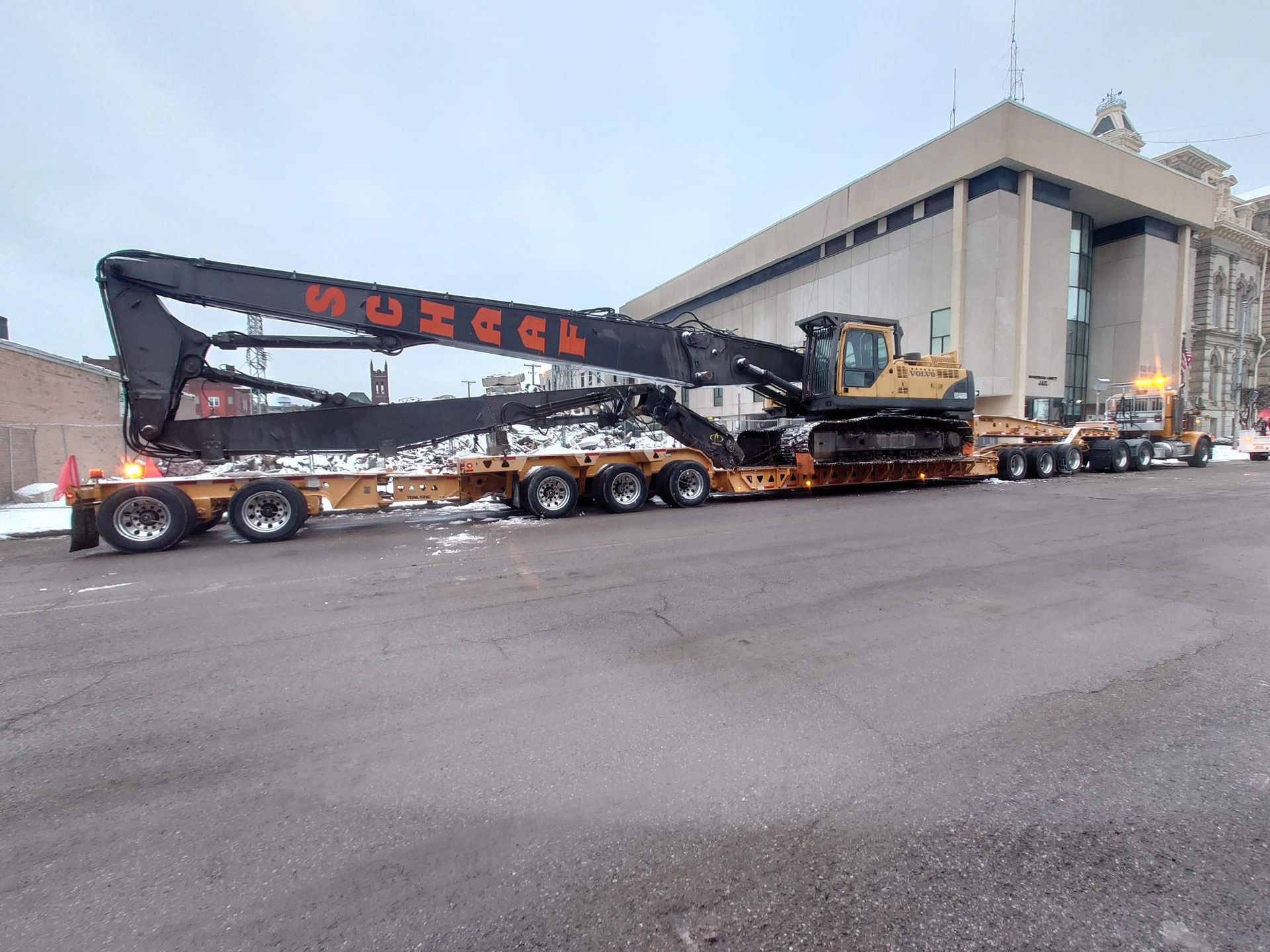
Schaaf Excavating Contractors provides structural demolition, debris removal, and site preparation services for industrial properties throughout Western Pennsylvania. Through collaboration with environmental remediation specialists and regulatory agencies, the company assists clients in safely clearing their sites and preparing them for the next phase of redevelopment—whether that involves a new warehouse, mixed-use complex, or commercial facility.

Author: Tim Schaaf
Owner & Founder of Schaaf Excavating Contractors.