Demolishing Buildings on Tight Lots in Pittsburgh
Tight lot demolition in Pittsburgh requires more planning than removing a structure on an open property. Many residential and commercial properties throughout the Pittsburgh region sit close to neighboring homes, businesses, retaining walls, sidewalks, or utility lines.
Narrow streets and limited access can make it difficult to move equipment, stage debris, and safely complete the project.
These conditions affect nearly every phase of demolition, from selecting the right equipment to planning debris removal and protecting nearby structures. A contractor with experience in Pittsburgh's older neighborhoods can identify potential challenges early and develop a plan to keep the project organized and safe.
Why Tight-Lot Demolition Is Different
Every demolition project is unique, but limited-access properties require additional planning before work begins.
On a confined site, there is little room for heavy equipment to maneuver, and surrounding homes, garages, driveways, landscaping, and retaining walls often need to remain untouched. Contractors must determine how to remove the structure safely while protecting nearby property and maintaining safe working conditions.
Material removal is also more complicated. Instead of staging debris in one large area, crews often have to remove and haul materials away in smaller loads. Dust, vibration, and falling debris must also be carefully managed when neighboring buildings are only a short distance away.
For these reasons, demolition on narrow lots should never be approached as a simple teardown. It is a carefully planned construction project that depends on experience, communication, and attention to detail.
If you are still in the early planning stage, Schaaf Excavating Contractors also recommends reviewing the basics of how to get started with demolition before planning a tight-lot project.
Common Challenges on Pittsburgh Properties
Many of Pittsburgh's neighborhoods were developed long before modern construction equipment existed. As a result, contractors frequently encounter properties with limited access and challenging site conditions.
Common obstacles include:
- Narrow residential lots
- Older homes built close together
- Hillside properties with steep grades
- Retaining walls near the structure
- Shared driveways or alley access
- Overhead utility lines
- Limited space for trucks and dumpsters
- Fencing or landscaping that restricts equipment access
Understanding these conditions before commercial or residential demolition begins helps Pittsburgh contractors develop a realistic project plan and avoid unnecessary delays.
Evaluating Site Access
One of the first steps in any demolition project is determining how crews, equipment, and hauling trucks will access the property.
During the site evaluation, contractors consider questions such as:
- Can heavy equipment safely reach the building?
- Is there enough room for equipment to operate?
- Where can debris containers be placed?
- Will trucks have enough space to enter and leave the property?
- Will portions of the structure need to be removed by hand?
- How will debris be transported off the site?
The answers influence equipment selection, labor requirements, project timelines, and overall cost.
An experienced commercial demolition contractor in Pittsburgh evaluates each property individually rather than relying on assumptions. In Pittsburgh, where terrain and neighborhood layouts vary significantly, this early planning plays a major role in keeping the project efficient.
Protecting Neighboring Property
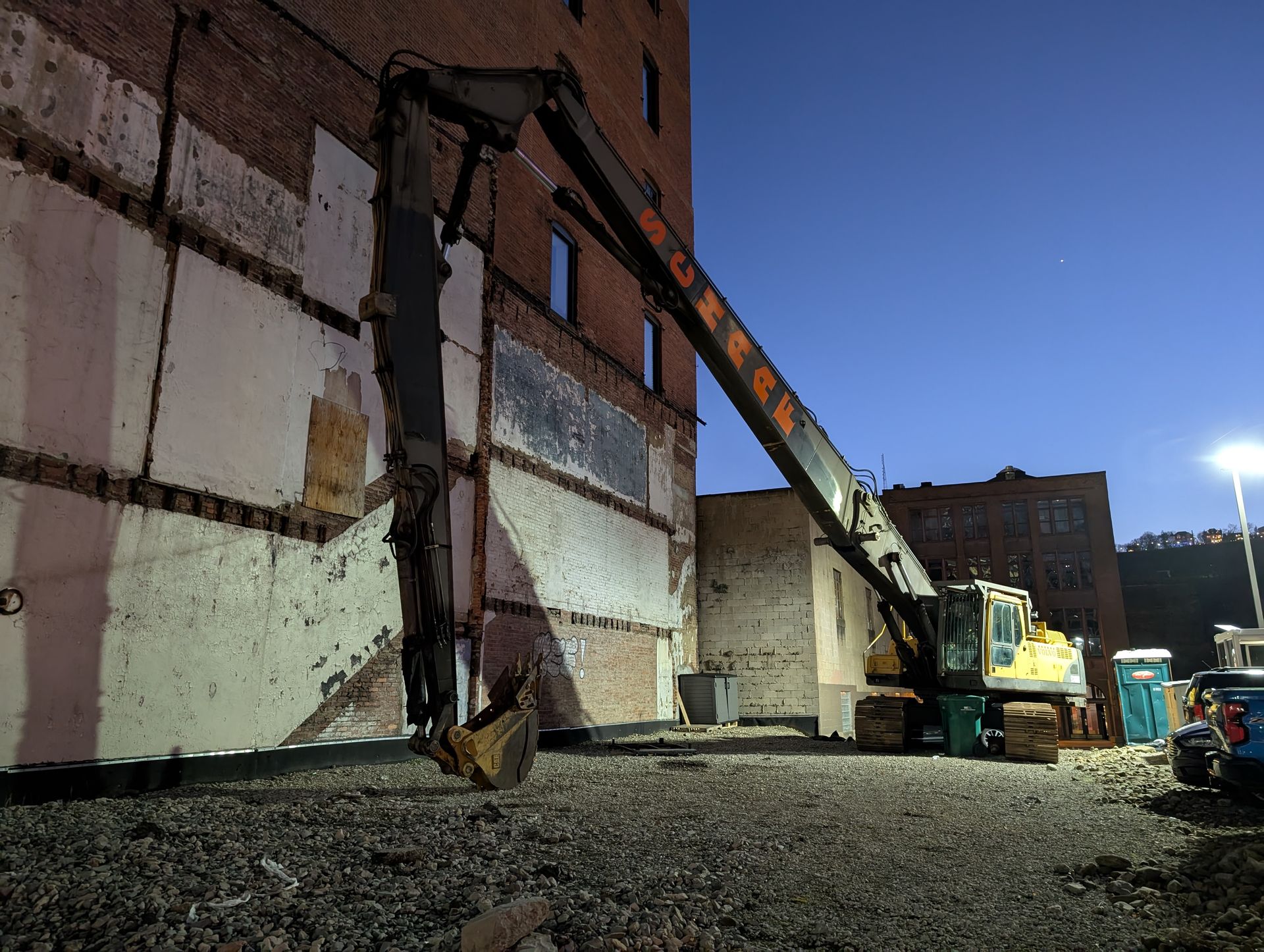
Many demolition projects take place only a few feet from neighboring homes or businesses. Garages, sidewalks, fences, patios, retaining walls, and landscaping often need to remain intact throughout the project.
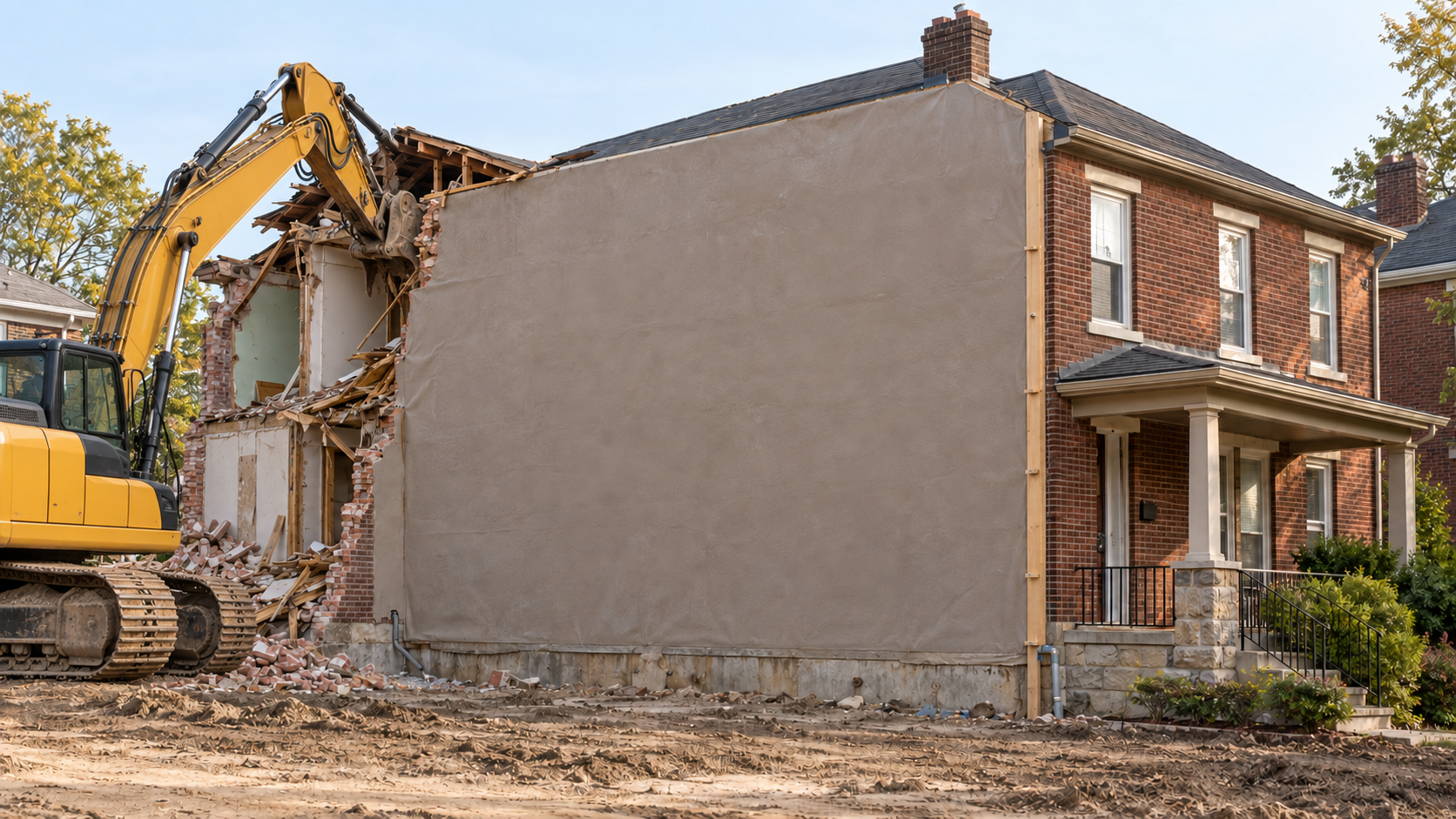
Before demolition begins, contractors should identify nearby structures and determine how each phase of the project could affect them. Rather than removing the building all at once, experienced crews often follow a controlled demolition sequence that allows materials to be removed in a deliberate order.
Depending on the property, additional protective measures may also be used to help shield neighboring structures and maintain safe work zones. Clear communication with adjacent property owners can further reduce disruptions during the project.
Utility Coordination and Safety Planning
Utility planning is another essential part of demolition, especially on older properties.
Before work begins, contractors should identify and coordinate the disconnection of gas, electric, water, sewer, and communication lines. Older neighborhoods may contain both overhead and underground utilities that affect equipment placement and demolition activities.
A comprehensive safety plan should also address:
- Equipment operating areas
- Debris removal routes
- Worker safety procedures
- Protection for neighboring properties
- Pedestrian safety
Evaluating these conditions before demolition begins helps reduce avoidable complications and creates a more organized job site.
Choosing the Right Demolition Method
The best demolition method depends on the property's size, available access, surrounding structures, and site plans.
Mechanical Demolition
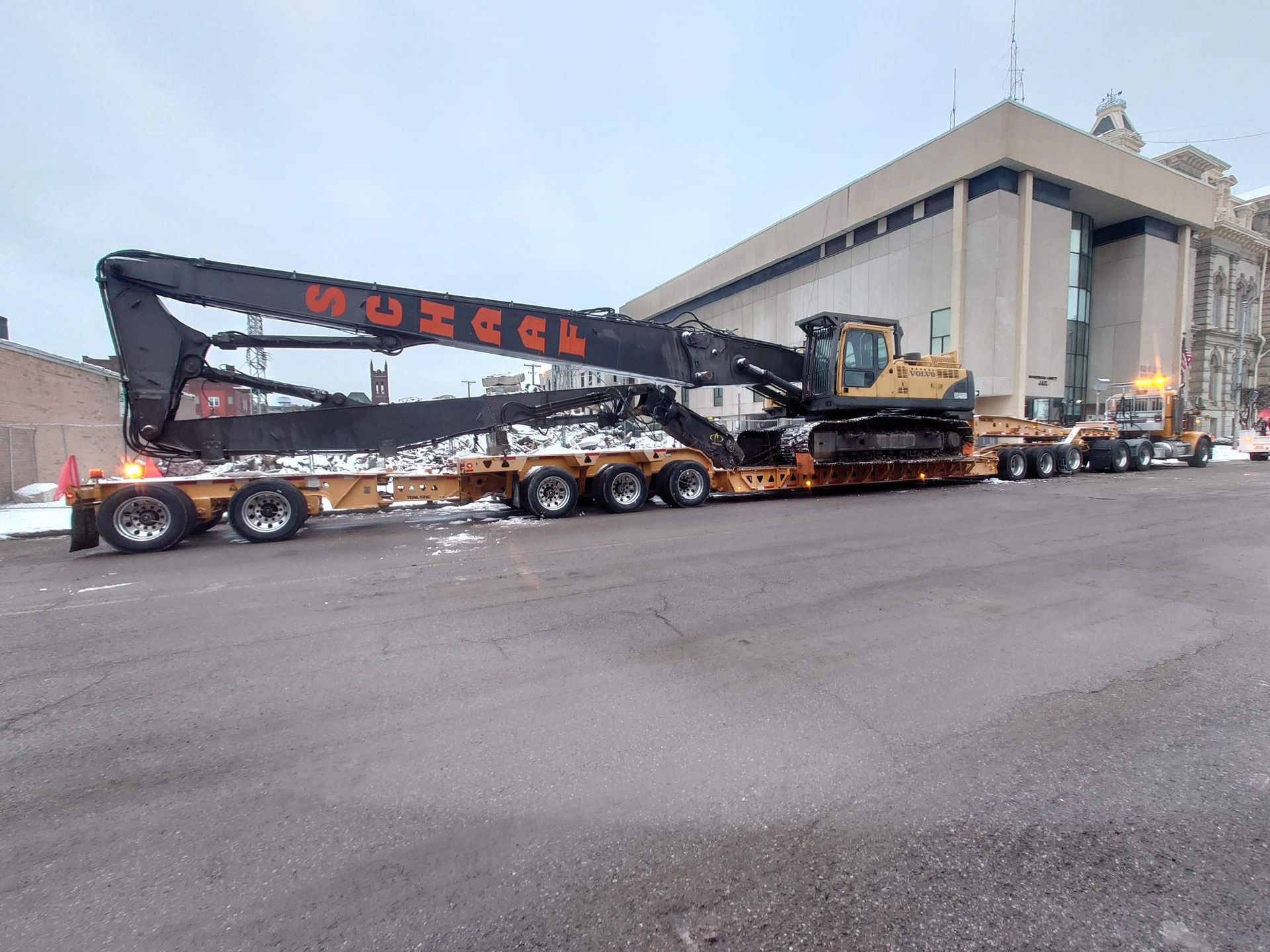
Mechanical demolition is often the most efficient option when heavy equipment has enough room to operate safely. Excavators and other specialized equipment allow crews to remove structures while maintaining control throughout the process.
Selective Demolition
When only part of the structure needs to be removed, or neighboring buildings are very close, selective demolition provides greater precision. Crews carefully dismantle specific sections while protecting the remaining structure and surrounding property.
Hand Demolition
Some confined areas cannot be reached with machinery. In these situations, hand demolition allows crews to safely remove materials around utilities, tight spaces, or other sensitive areas.
Partial or Interior Demolition
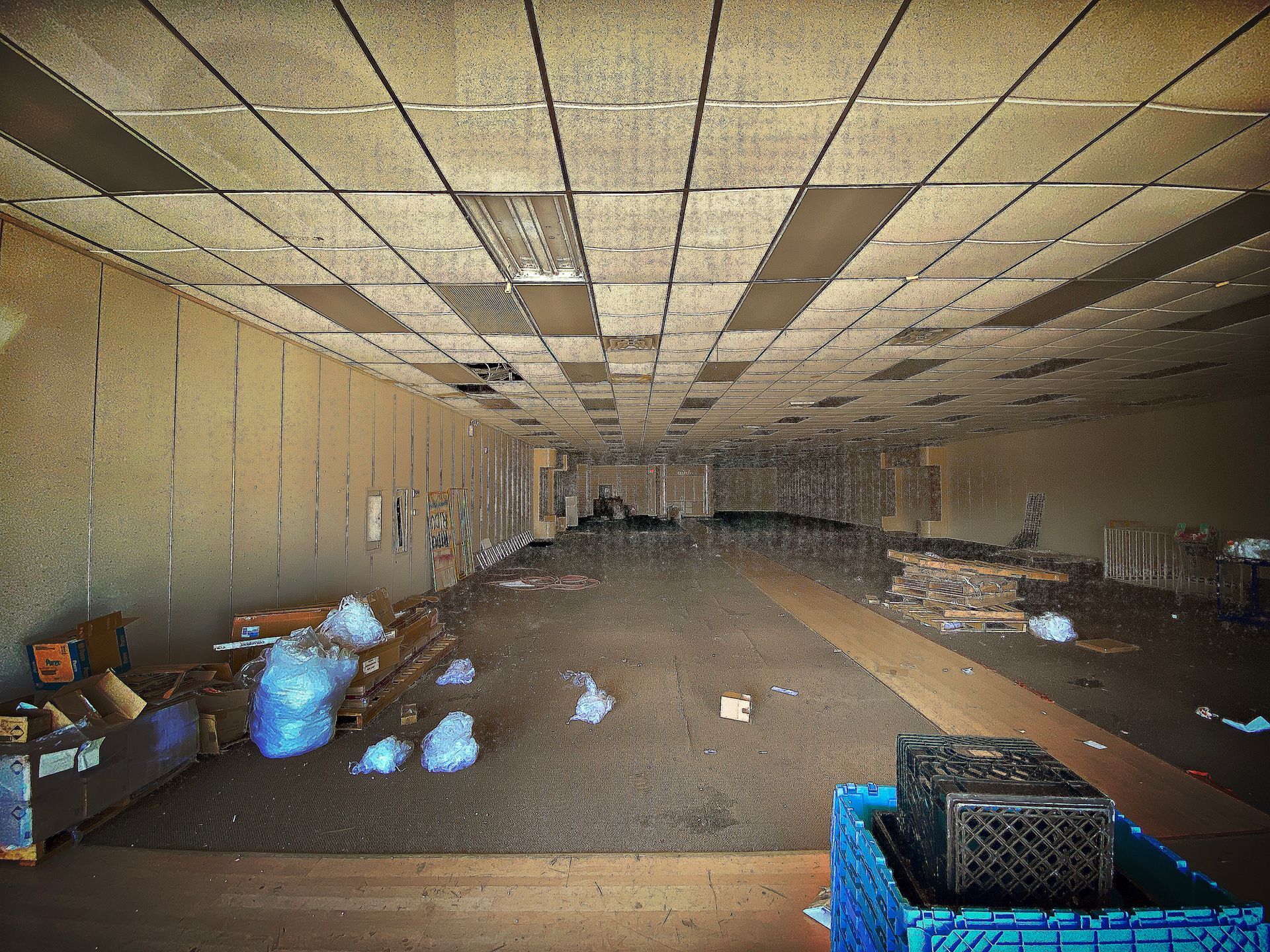
Not every project involves tearing down an entire building. Interior demolition and partial demolition allow contractors to remove damaged or outdated sections while preserving the portions of the structure that will remain.
The right approach depends on the site's specific conditions and should always be determined after a thorough evaluation.
Dust, Debris, and Noise Control
Demolition naturally creates dust, debris, and noise, but careful planning can reduce the impact on neighboring homes, businesses, and public spaces.
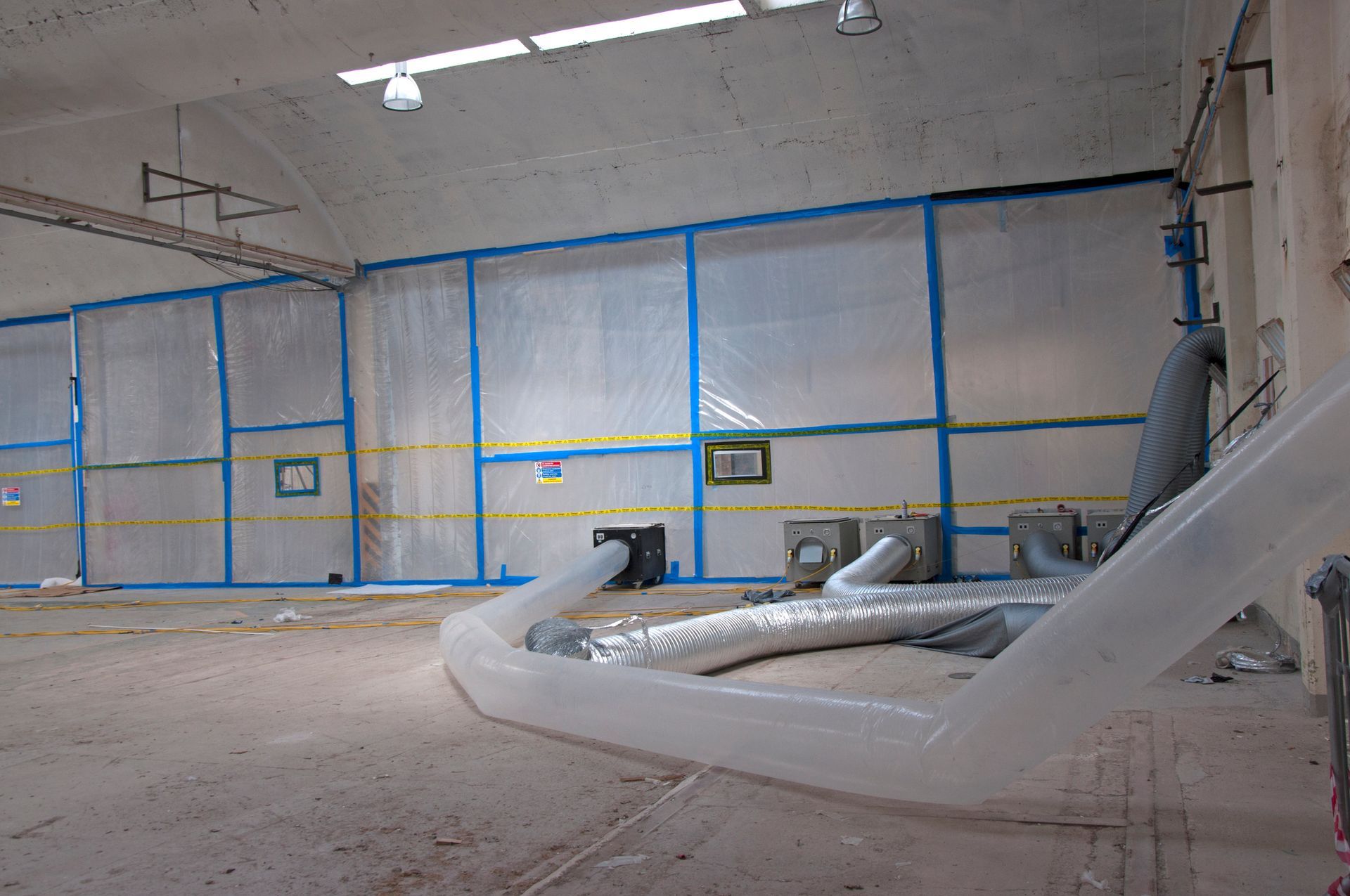
Dust control measures help limit airborne particles, especially when structures are close together. Keeping the work area organized also helps prevent debris from spreading beyond the demolition zone.
Although demolition cannot be completely quiet, scheduling work efficiently and maintaining an orderly job site can reduce unnecessary disruption. Contractors should also plan equipment movement and debris hauling to help keep nearby sidewalks, driveways, and roadways as safe and accessible as possible throughout the project.
These details not only improve safety but also demonstrate consideration for surrounding property owners.
Debris Removal on Limited-Access Sites
Removing the structure is only one part of the project. On tight lots, debris removal often requires just as much planning as the demolition itself.
Unlike open properties where dumpsters can be placed next to the building, confined sites frequently require debris to be moved in stages before it can be loaded onto trucks. Narrow streets, limited parking, and restricted work areas can all affect how materials are transported off-site.
Depending on the property's layout, contractors may use smaller equipment to move debris to a staging area where it can be safely loaded and hauled away. Cleanup also requires careful coordination to ensure materials are removed without damaging neighboring property or creating safety hazards.
Planning debris removal before demolition begins helps reduce delays and keeps the demolition project organized from start to finish.
Permits and Local Requirements
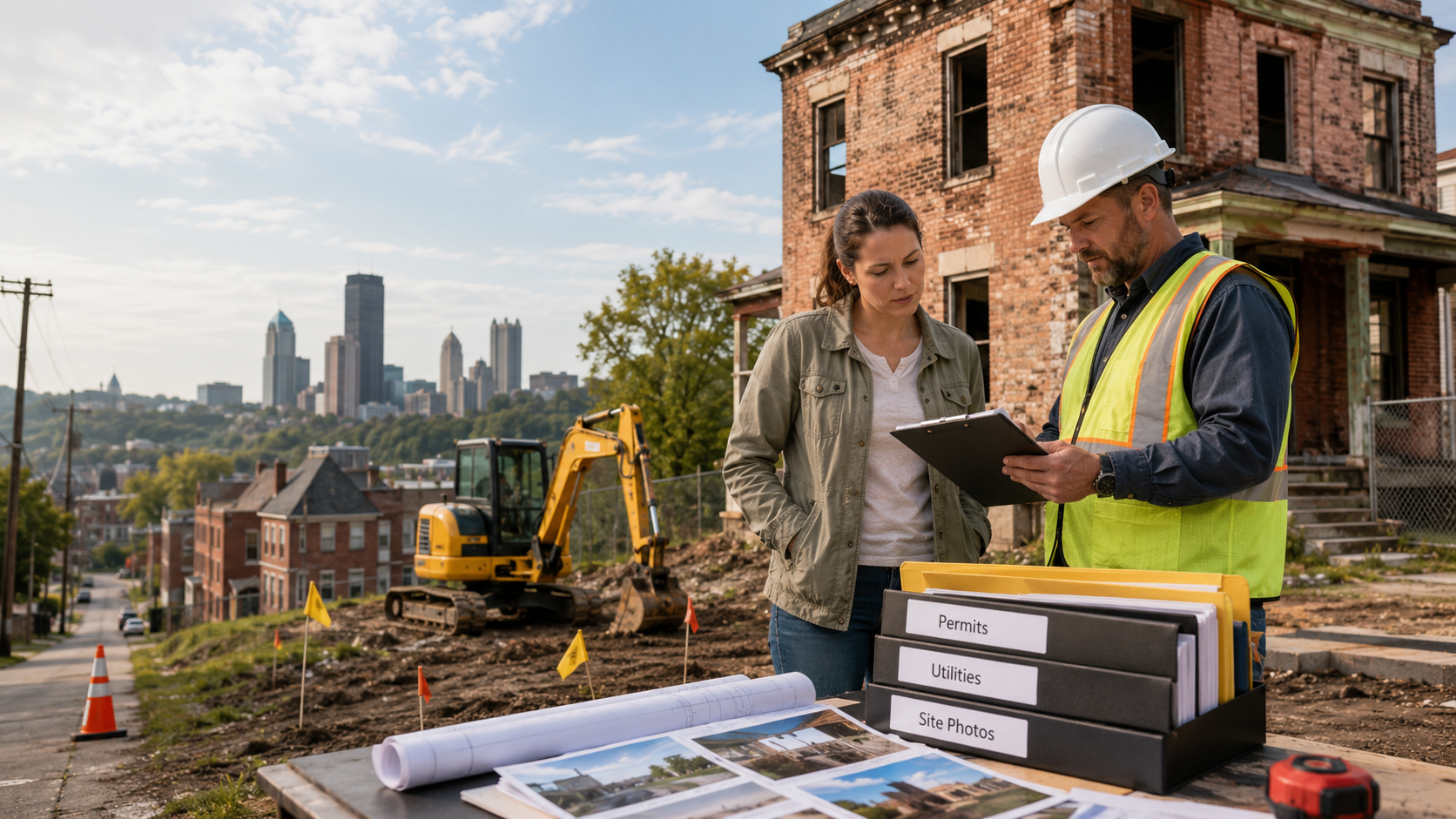
Most demolition projects require permits before work can begin. Requirements vary depending on the municipality, the type of structure being removed, and the scope of the project.
Property owners should understand who will be responsible for obtaining permits and coordinating any required documentation. Utility disconnection verification and additional approvals may also be necessary before demolition can proceed.
Projects located near sidewalks, streets, or other public areas may require additional planning to maintain safety throughout the project.
Working with a contractor familiar with local municipalities can simplify this process and help ensure the project meets applicable requirements before demolition begins.
You can learn more about permit information on the City of Pittsburgh Department of Permits, Licenses, and Inspections website.
How Tight Lots Can Affect Demolition Costs
Many property owners wonder whether demolition on a tight lot costs more than demolition on an open site. The answer depends on the property's specific conditions.
Limited-access projects often require additional planning, labor, and specialized equipment, which can increase overall costs. Factors that commonly affect pricing include:
- Limited access to equipment and hauling trucks
- Additional hand labor
- Smaller or specialized machinery
- More detailed demolition sequencing
- Protection of neighboring structures
- Complex debris removal
- Utility coordination
- Permit requirements
- Hillsides, retaining walls, or other challenging site conditions
Because every property is different, an on-site evaluation provides the most accurate estimate. Visiting the site allows a contractor to identify potential challenges and develop a demolition plan based on the property's actual conditions rather than general pricing averages.
Why Local Experience Matters
Pittsburgh presents demolition challenges that are not common in many other parts of the country. Older neighborhoods, steep terrain, narrow streets, and aging infrastructure all influence how a demolition project should be planned.
An experienced local contractor understands how these conditions affect equipment access, debris removal, and overall project logistics. This knowledge can help prevent delays and improve safety throughout the demolition process.
Local experience is especially valuable when demolition is only the first step in a larger project. After the structure has been removed, the site may require excavation, grading, drainage improvements, foundation removal, or preparation for new construction. Working with a contractor that provides both demolition and excavation services creates a smoother transition between phases and helps keep the project moving efficiently.
Tight-Lot Demolition Requires Careful Planning
Demolishing a building on a tight lot requires more than simply tearing it down. Limited access, nearby buildings, utility coordination, debris removal, and site safety all require careful planning before work begins.
An experienced demolition contractor can evaluate the property, identify potential challenges, and develop a plan that protects surrounding structures while keeping the project organized and efficient.
Whether you are removing an older home, garage, commercial building, or another structure in the Pittsburgh area, choosing a contractor experienced with confined sites can make a major difference in the project's success.
Schaaf Excavating Contractors is your top demolition company in the Pittsburgh area. Our team evaluates each property individually to develop a safe, practical demolition plan based on the site's unique conditions.
Contact us today to request an estimate and learn how we can prepare your property for its next phase.
Frequently Asked Questions
Can a building be demolished if access is limited?
Yes. Limited access does not prevent demolition, but it often requires adjustments to the demolition plan, equipment selection, labor, and debris removal process. Every property should be evaluated individually before work begins.
Does tight-lot demolition cost more?
It can. Additional labor, specialized equipment, more detailed planning, protection of nearby structures, and more complex debris removal may increase the overall cost. An on-site evaluation is the best way to determine project pricing.
How do contractors protect nearby buildings during demolition?
Experienced contractors use controlled demolition methods, careful sequencing, site-specific planning, and protective measures to help reduce the risk of damage to the neighboring structures and property.
Do I need a permit to demolish a building in Pittsburgh?
Permit requirements will vary depending on the municipality and the type of structure being demolished. Property owners should verify local requirements or work with a contractor who is familiar with the permitting process.
What should I look for when hiring a demolition contractor for a tight lot?
Choose a contractor with experience completing limited-access demolition projects. Ask about equipment selection, site access planning, debris removal, utility coordination, protection of nearby structures, permitting, and whether excavation or grading services are available after demolition.

Author: Tim Schaaf
Owner & Founder of Schaaf Excavating Contractors.