How To Get Started With Demolition
Demystifying Your Decision For Demolition's Next Steps
Demolition can feel overwhelming for property owners, especially when permits, utilities, safety concerns, and heavy equipment are involved. Whether you need to remove a damaged home, an old garage, a commercial structure, or an unsafe building, or prepare a site for new construction, the process becomes easier when you know what to gather before contacting a contractor.
Working with an experienced demolition contractor can help Pittsburgh property owners avoid delays, safety issues, and unexpected costs. Before requesting an estimate, it helps to organize ownership documents, utility records, site photos, environmental information, and a clear list of project goals.
Start By Confirming Ownership and Legal Documents
Demolition usually cannot proceed until the property owner can demonstrate legal authority to alter or remove the structure. This protects the owner, contractor, municipality, and any other parties connected to the property.
Proof of Ownership
Municipalities may require a deed, current title, or other ownership documentation before issuing a demolition permit. If the property is owned by a business, a trust, an estate, or multiple owners, additional paperwork may be required.
The name on the permit application should match the ownership documents or be accompanied by proper written authorization. For example, if a business owns a property, the person requesting demolition may need to demonstrate authorization to act on behalf of the business.
Mortgage or Lender Consent
If the property has a mortgage, the owner may need written permission from the lender before demolishing a structure. Demolition can affect the property's value and the lender's collateral interest.
Contact the lender early and ask whether written consent is required. Keep any approval letters or emails with the project file so they are available if the municipality or contractor requests them.
Code Violations, Liens, and Zoning Issues
Unresolved code violations, municipal liens, or zoning disputes can delay demolition. Before work begins, check with your local municipality to see whether there are any open issues tied to the property.
Some demolitions are part of a municipal compliance order. Others may require certain violations to be addressed before a permit is issued. Keep copies of notices, inspection reports, and municipal correspondence so your contractor can understand the full project background.
Gather Utility Bills and Infrastructure Information
Utility coordination is one of the most important early steps in demolition. A structure should not be demolished until utilities have been properly disconnected and documented.
Before any heavy equipment arrives, your demolition contractor will need to know that gas, electric, water, and sewer lines have been properly addressed.
Utility Disconnection Records
Gather the past three months of utility bills for water, sewer, electric, and gas service. These bills help identify account numbers, service addresses, provider contact information, and active utility connections.
Utility providers may need to issue formal disconnection certificates or other documentation before demolition can begin. Contractors may also need proof that services have been safely disconnected.
Missing utility information can slow the project. If an account is still active or a service address does not match the property record, more time may be needed to confirm the status.
Private Utilities and Site Infrastructure
Not every underground feature is handled by a public utility provider. Property owners should identify any private infrastructure on the site before demolition begins.
This may include septic tanks, drain fields, private wells, fuel tanks, old cisterns, underground storage tanks, drainage systems, or buried structures. These features can affect equipment access, excavation depth, disposal needs, and site restoration.
If possible, mark known private utilities or include them on a basic site plan. A simple sketch showing structures, wells, tanks, retaining walls, fences, and underground features can help your contractor plan the work.
PA One Call and 811
Pennsylvania projects require utility locating before excavation or demolition work. Property owners or contractors must contact PA One Call or 811 at least three business days before excavation or demolition.
PA One Call helps identify underground utilities so crews can work safely. This step helps reduce the risk of gas line strikes, electrical hazards, water line damage, and service interruptions.
A local Pittsburgh demolition service will understand how PA One Call fits into the demolition timeline. Utility locating should be built into the schedule before work begins.
Take Site Photos and Document Current Conditions
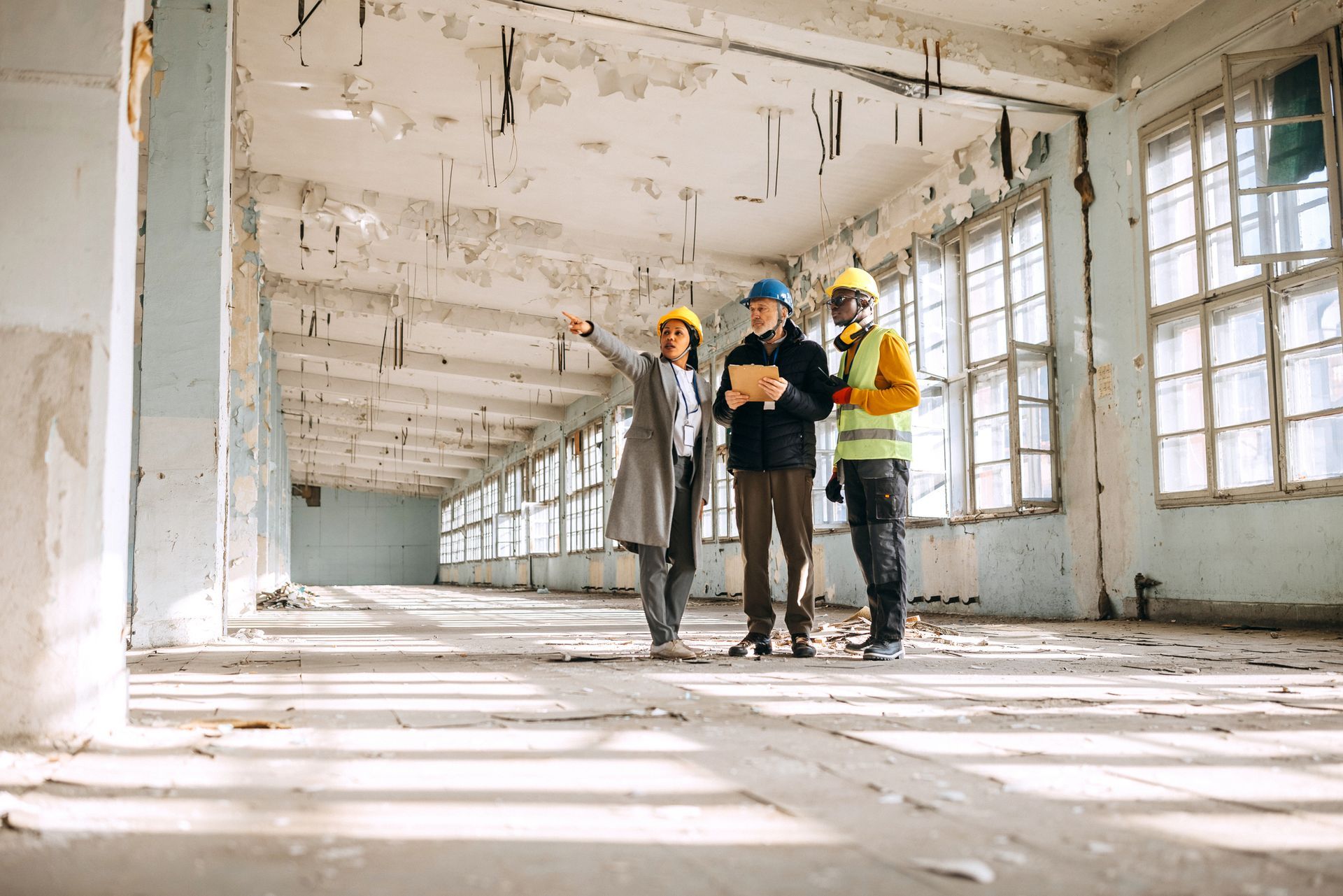
Clear photos help your demolition contractor understand the structure, site access, safety concerns, and nearby property conditions before visiting or estimating the job. Photos do not replace an on-site evaluation, but they can help identify early questions.
Exterior and Interior Photos
Take wide exterior photos from several angles. Photograph all sides of the building, including the front, rear, and side elevations. If there is visible fire damage, roof collapse, rot, foundation cracking, or leaning walls, take clear photos from a safe distance.
Interior photos are useful only if the structure is safe to enter. Capture basements, stairways, walls, floors, ceilings, and major hazards. Do not enter an unsafe structure. If there are signs of collapse, severe water damage, exposed wiring, or unstable flooring, stay out and tell the contractor what you can see from outside.
Access Points for Equipment
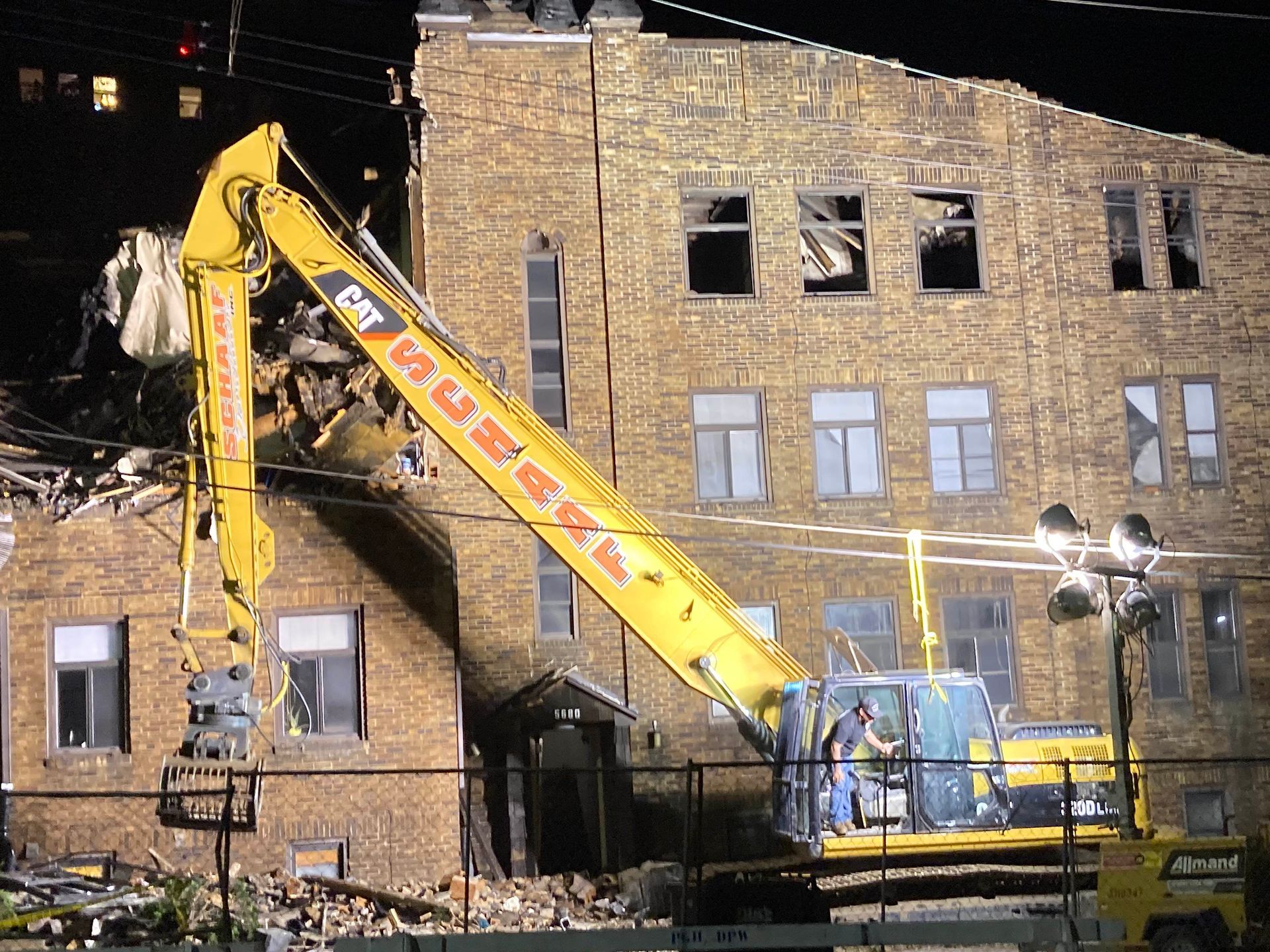
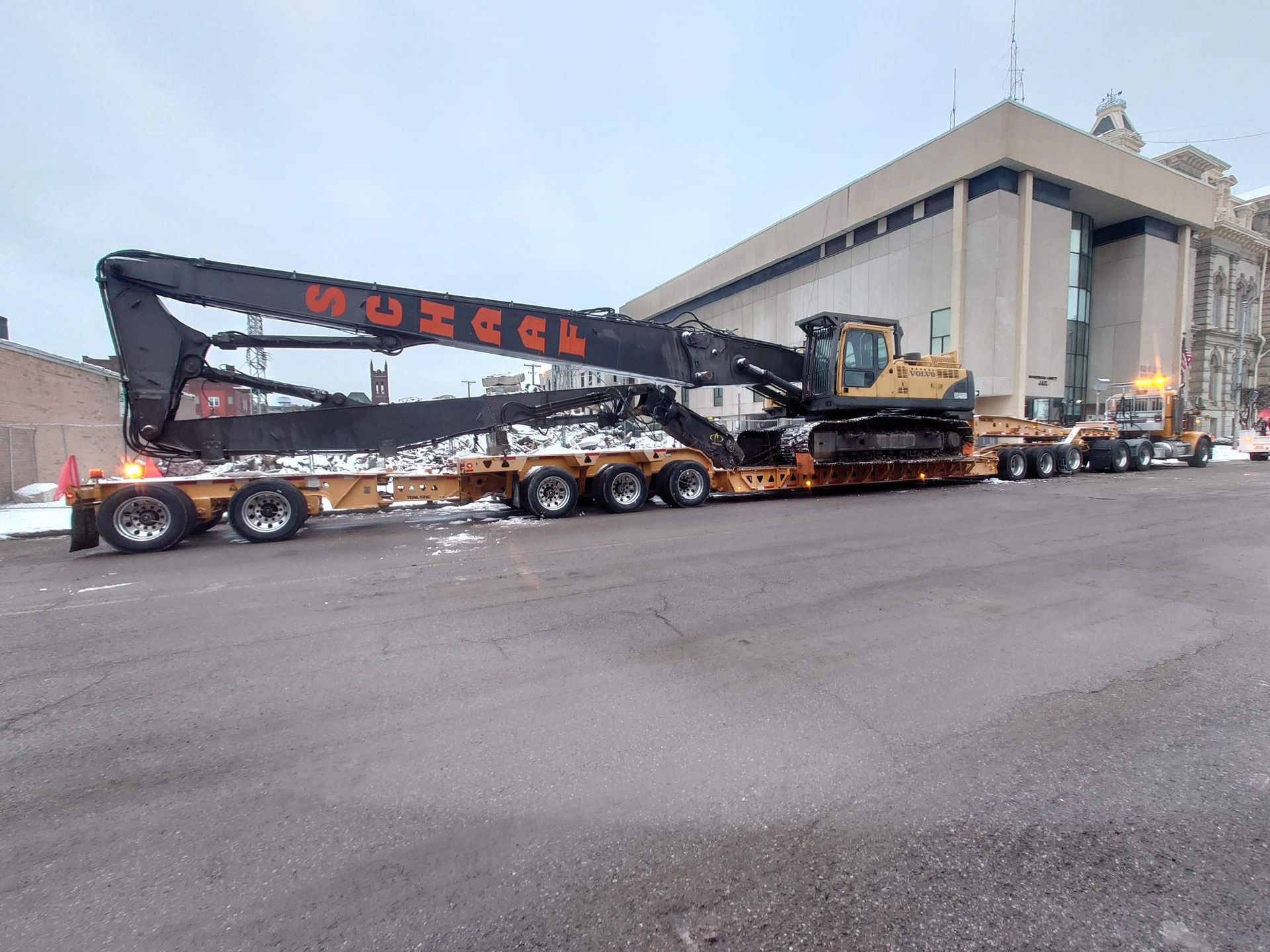
Demolition often requires space for excavators, dump trucks, dumpsters, and material handling equipment. Access issues can affect cost, equipment selection, staging, and schedule.
Take photos of driveways, alleys, gates, retaining walls, nearby structures, overhead wires, fences, trees, and tight spaces. Measure driveway widths and gate openings if possible. Also note steep grades, soft ground, narrow streets, or areas where trucks may have difficulty turning around.
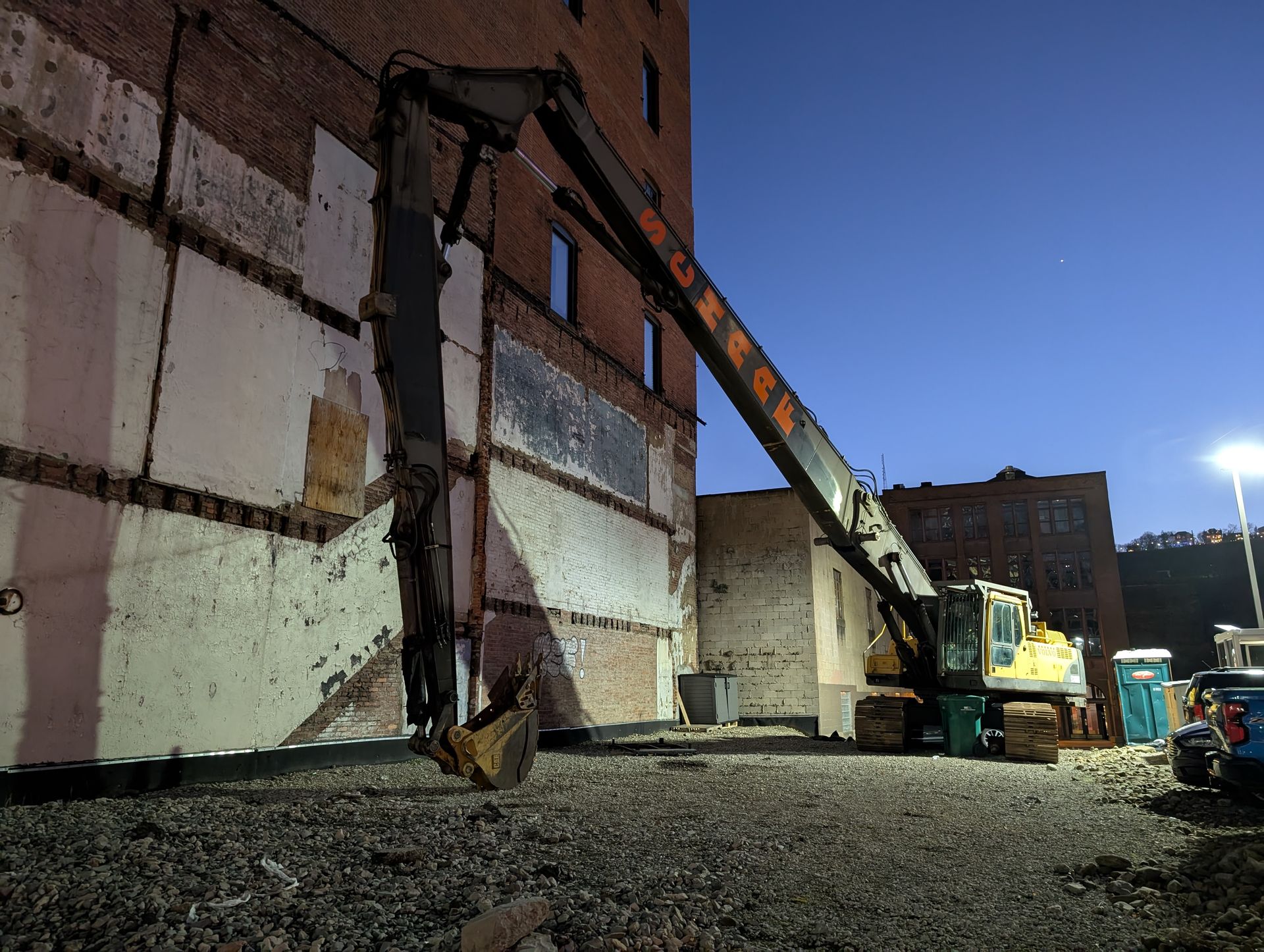
In many Pittsburgh neighborhoods, access is one of the most important planning factors. Tight lots, hillsides, older streets, and nearby buildings can all affect how the work is completed.
Environmental and Hazard Surveys
Older homes and commercial buildings may contain asbestos, lead paint, fuel tanks, or other hazardous materials. These issues may need to be inspected, documented, or addressed before demolition permits are approved.
Keep any asbestos, lead, or environmental reports with your project documents. Do not assume an older structure is ready for demolition without environmental review. Professional inspections help reduce health risks, permit issues, and disposal problems.
Define Your Demolition Project Goals
Once your documents and site information are organized, define what you want the finished project to include. Not every demolition job has the same goal. Some owners want a full site cleared. Others need selective demolition, foundation preservation, salvage, grading, or site preparation for new construction.
Decide Whether Anything Should Be Salvaged
If you want to save materials from the structure, discuss that before heavy demolition begins. Once the machinery starts, it may be too late to remove specific items carefully.
Property owners may want to save historical bricks, hardwood floors, doors, trim, architectural details, working appliances, metal, fixtures, or reusable materials. Salvage can affect the schedule and cost because it may require hand removal before machine demolition.
Be specific about what you want saved. For example, "save the brick from the front wall" is more helpful than "save anything valuable."
Clarify What Happens to the Foundation
One of the biggest demolition decisions is whether to keep the foundation or remove it. Some projects require the complete removal of the structure and foundation. Others may need the foundation left in place for future evaluation, construction planning, or engineering review.
Discuss whether you need full structure removal, foundation removal, slab removal, basement fill-in, or foundation preservation. If you are planning new construction, your builder, architect, or engineer may need to be involved before the demolition scope is finalized.
This decision can affect cost, schedule, hauling, backfill, drainage, and final grading, so it should be made before the estimate is prepared.
Plan for Final Grading, Topsoil, and Seeding
Demolition does not always end when the structure is gone. Property owners should ask what the finished site will look like after debris is hauled away.
Will the basement or hole be filled? Will the land be rough-graded or finish-graded? Is topsoil included? Will the contractor seed the property? Is erosion control needed?
A clear final condition helps avoid confusion. If you want a clean, level, seeded area, say that early. If you only need the structure removed so another contractor can begin site work, explain that as well.
Why Local Experience Matters for Pittsburgh Demolition Projects
Pittsburgh-area demolition projects often come with site conditions that require careful planning. Properties may include hillsides, tight streets, retaining walls, older structures, dense neighborhoods, narrow access points, and nearby buildings.
A local demolition contractor understands how these factors can affect equipment access, debris removal, utility coordination, permitting steps, and site cleanup. Residential and commercial demolition projects both require the right equipment, a clear plan, and attention to surrounding properties.
When choosing a demolition contractor, Pittsburgh property owners should look for a company that understands local site conditions, permitting steps, and safe cleanup practices. A professional Pittsburgh demolition service can help move the project from planning to completion with fewer surprises.
Schaaf Excavating Contractors works with property owners who need practical guidance before demolition begins. Bringing an experienced contractor into the process early can help identify which documents are needed, which site details matter, and which questions should be answered before work is scheduled.
What To Have Ready Before Calling a Demolition Contractor
Before contacting a demolition contractor, gather as much of the following information as possible:
- Proof of ownership or written authorization
- Mortgage or lender approval, if needed
- Code violation or municipal notice information
- Recent utility bills
- Utility provider contact information
- Known private utilities or underground structures
- PA One Call or 811 timeline awareness
- Exterior and interior photos
- Access measurements and access photos
- Asbestos, lead, or environmental reports
- A list of materials you want salvaged
- Foundation removal or preservation preferences
- Final grading and seeding expectations
- Desired project timeline
You do not need every answer before calling a contractor. However, the more information you provide, the easier it is to discuss the scope of work, identify potential issues, and arrive at an accurate estimate.
Get Professional Help Before Demolition Begins
Demolition is more than knocking down a structure. It involves documentation, safety planning, utility coordination, equipment access, debris removal, and site restoration. Each step affects the overall schedule and the finished condition of the property.
If you are planning a demolition project in the Pittsburgh area, start by gathering the right documents, records, photos, and goals. Then contact a qualified demolition contractor who can review the site, explain the next steps, and help you understand what may be needed before work begins.
Ready to start a demolition project in the Pittsburgh area? Contact Schaaf Excavating Contractors to discuss your property, review your site conditions, and schedule a professional demolition estimate.
Do I need a permit to demolish a structure in Pittsburgh?
In most cases, yes. Demolition permit requirements depend on the municipality, property type, structure size, and project scope. A demolition contractor can help you understand what information may be needed before work begins.
Should utilities be disconnected before demolition?
Yes. Gas, electric, water, and sewer services must be properly addressed before demolition begins. Contractors typically need documentation showing that utilities have been safely disconnected.
What should I do before calling a demolition contractor?
Gather proof of ownership, recent utility bills, site photos, access information, any environmental reports, and a clear idea of whether you want the foundation removed, the site graded, or any materials salvaged.
Can I save materials from a building before demolition?
Often, yes, but this should be planned before demolition begins. Items such as brick, hardwood flooring, doors, trim, fixtures, appliances or entire parts of the structure may need to be carefully salvaged or tactfuly avoided during the razing process.
Does demolition include grading and seeding?
Not always. Property owners should clarify whether final grading, topsoil, and seeding are included in the demolition estimate or handled as separate services.

Author: Tim Schaaf
Owner & Founder of Schaaf Excavating Contractors.